This article explores how innovative cheese cutting technology is transforming not only production processes, but the entire landscape of the dairy industry. In a sector traditionally rooted in craft methods, technological innovation is bringing major change. From artisanal origins to a high-tech future, cheese cutting has become a story of precision, efficiency and industrial evolution.
Cheese cutting in ancient times
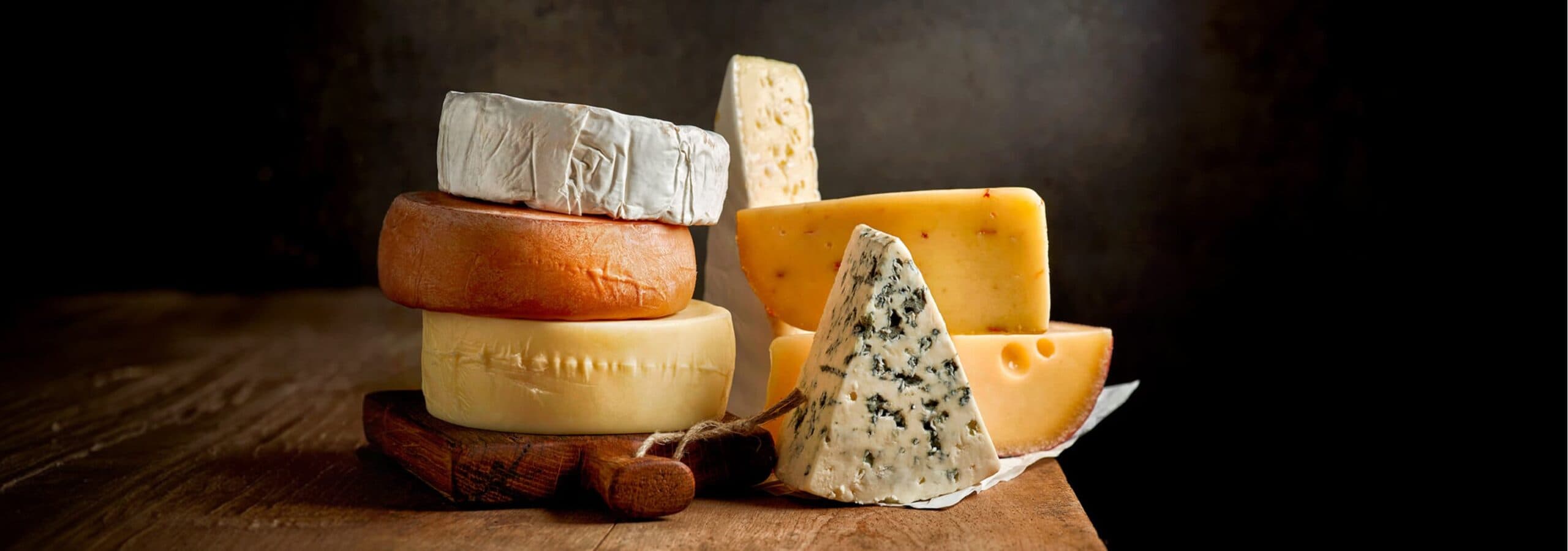
Cheese is one of the world’s oldest and most appreciated foods. According to legend, cheese production began accidentally in the desert when an Arab merchant carried milk in a sheep stomach bag and the heat of the sun separated it into curd and whey. This rudimentary process marked the beginning of cheesemaking.
During the expansion of the Roman Empire, cheese production spread widely and became both a common food and an established practice. Authors such as Columella and Pliny the Elder described Roman cheesemaking processes in detail, highlighting the variety and quality of cheeses at the time.
In the Middle Ages, cheeses developed different local characteristics throughout Europe, shaped by the encounter between Romanised peoples and neighbouring dairy traditions. Cheesemaking evolved further in manors and monasteries, where local bacterial flora helped create distinct varieties. Many cheeses still known today were first recorded in this period.
Cheese production continued to evolve into the modern age. Pasteurisation introduced a major change in cheese quality and safety, making production more controlled and consistent. With the industrial revolution, cheese became a mass product: the first industrial cheese plant opened in Switzerland in 1815, followed by broader industrialisation in the United States.
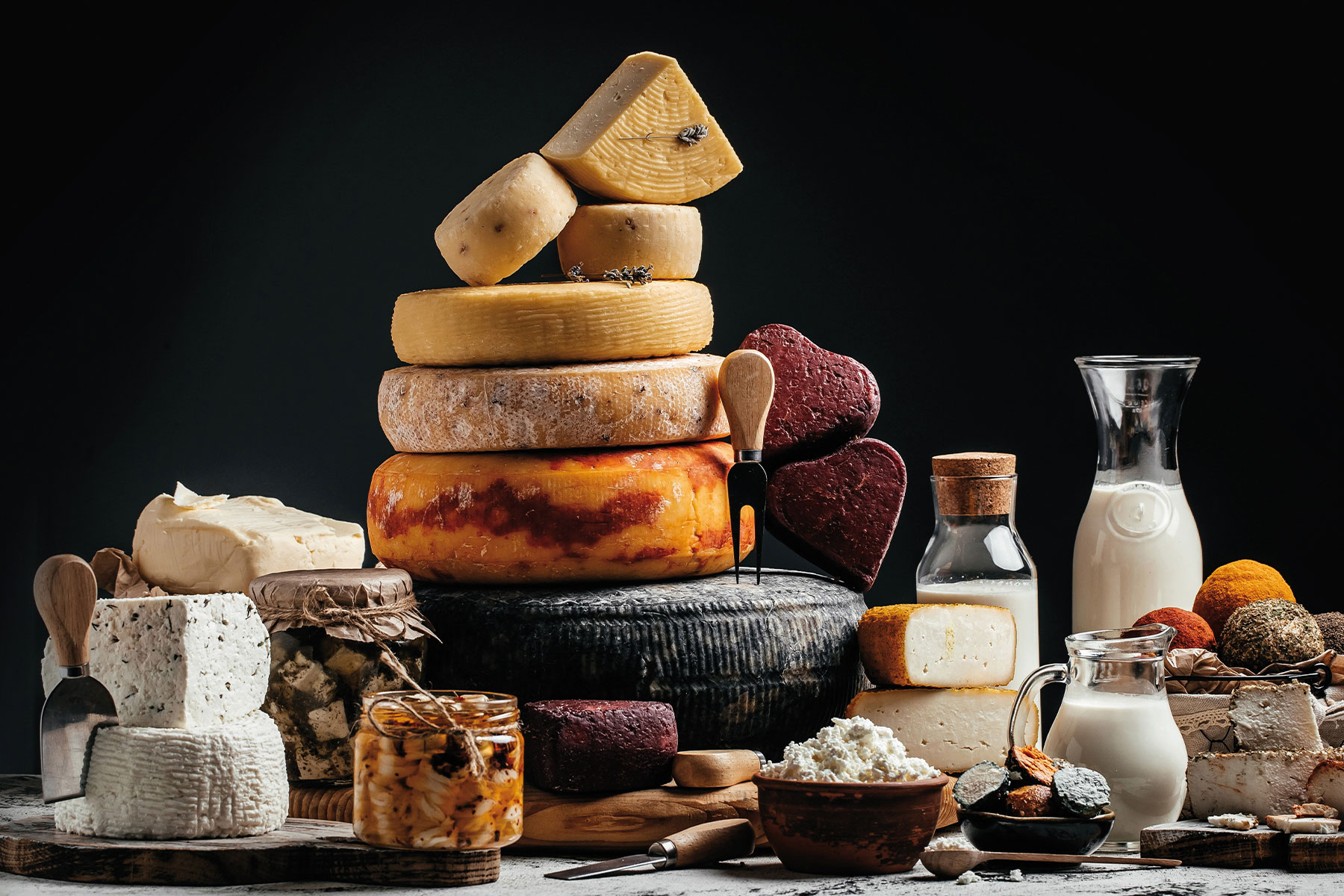
Today, cheese is a global food, with production techniques that reflect both tradition and innovation. Cheesemaking has moved from local craft to scientific and technological process, while preserving its cultural richness and appeal.
Sources: Wikipedia; Britannica
The impact of technology on cheese cutting
Modern technology has significantly transformed the dairy sector, especially cheese cutting. What was once mainly manual and artisanal has become a highly technical process based on precision, efficiency and consistent quality control.
Improved precision: modern cheese cutting machines deliver near-millimetric accuracy. This is essential for consistency, especially with valuable or large cheeses where each slice or portion must be correct. Precision also reduces waste and improves raw material efficiency. Technologies such as 3D scanning and digital control allow machines to adapt to different cheese sizes and textures.
Production efficiency: automatic and semi-automatic machines have greatly improved production efficiency. These systems process high volumes in short times, increasing productivity and helping companies meet demand more effectively. Automation also reduces the need for manual work, lowering production costs and increasing capacity.
Consistent quality control: technology makes it possible to monitor and maintain constant quality throughout cheese production. Advanced sensors and automated systems ensure that each piece is cut according to strict standards, reducing variation between batches and strengthening brand reliability.
Workplace safety: modern machines improve operator safety. Manual cheese cutting can involve risk, injuries and fatigue. Automated equipment reduces these risks and creates a safer working environment.
Sustainability and waste reduction: technology plays a key role in making cheese cutting more sustainable. Efficient resource use and reduced waste are essential for a responsible food industry. Modern machines are designed to maximise product use, reduce trim waste and limit environmental impact.
Specific innovations: programmable control systems, 3D scanning and automatic loading and unloading systems are among the most important developments in cheese cutting. They make the process more flexible, precise and efficient, helping the industry become more productive, sustainable and safe.
Innovation and customisation: the key to success in cheese machines
In the cheese industry, innovation and customisation have changed the way companies produce and handle their products. This shift is driven by the growing demand for efficiency, quality and adaptability in a competitive global market.
Technological innovation: advanced technologies such as 3D scanning and computerised control systems have significantly improved cutting precision and efficiency.
Automation and AI: automation and artificial intelligence support faster and more accurate production, reducing waste and improving sustainability.
Adaptation to specific needs: companies can now choose machines designed around their unique requirements, such as cut size, cheese type and production capacity.
Flexibility and scalability: custom machines allow dairy producers to adapt and scale their operations according to market demand.
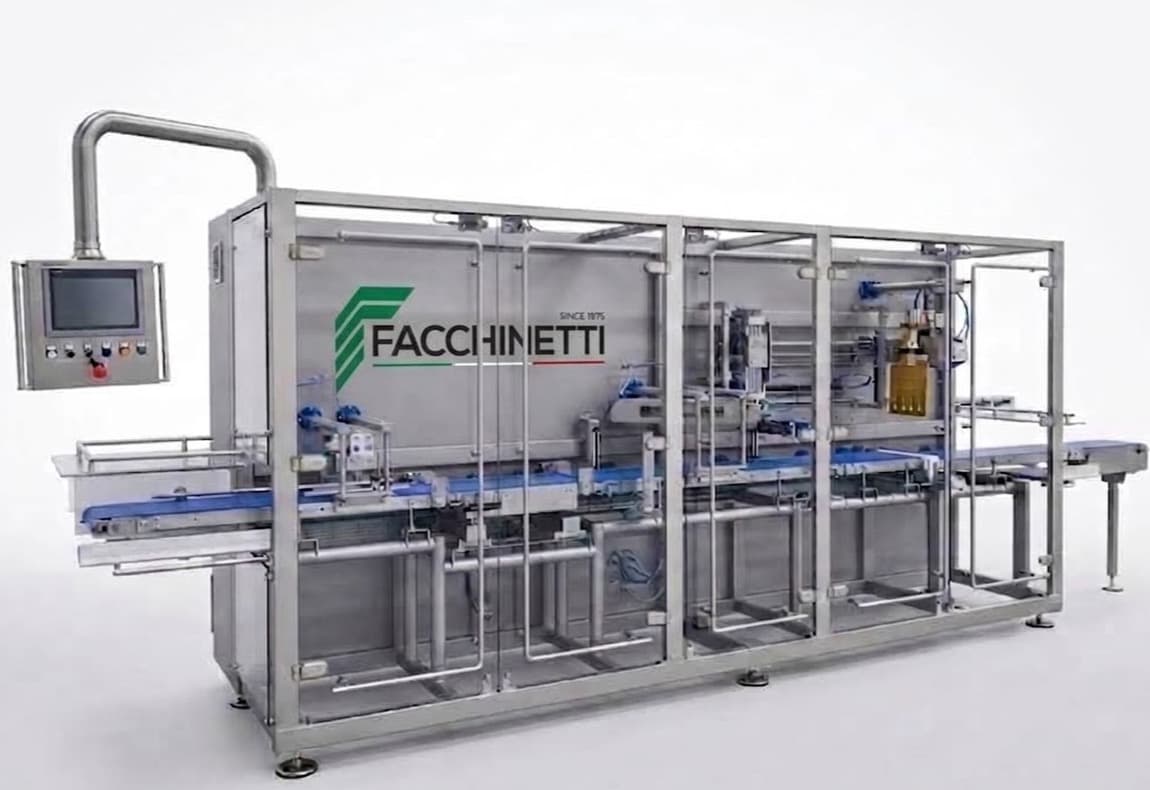
Facchinetti Tech is a successful example of this approach, offering cheese cutting machines that can be adapted to specific customer needs.
Case study: how Facchinetti Tech machines transform cheese production
Cheese production has changed significantly thanks to advanced technologies. Facchinetti Tech is one example of this evolution, bringing advanced machines to a sector where precision and reliability are essential.
Increased efficiency: Facchinetti Tech machines reduce processing times and allow dairy companies to increase production. Integrated automation ensures that complex operations are carried out quickly and with less manual intervention.
Cutting precision: precision is fundamental in cheese cutting. Facchinetti Tech machines are designed for high-precision cuts, improving the quality and consistency of the finished product.
Waste reduction: accurate cutting and efficient operations reduce the amount of cheese discarded during production. This increases profitability and supports more sustainable production practices.
Adaptability and customisation: Facchinetti Tech solutions are highly adaptable and can be configured for different cheese types, sizes and production needs.
The future of cheese cutting
Looking ahead, innovation in cheese cutting will remain a driving force. Technological development continues to expand what is possible, creating new solutions that may further transform the sector.
The future will bring deeper integration of advanced technologies such as AI and machine learning. These tools will make it possible to analyse cheese characteristics in real time and optimise cutting, improving precision and reducing waste. Machines will also be able to adapt to changing consumer trends and preferences, offering greater flexibility.
Customisation will become even more important, with machines able to adapt dynamically to different cheese varieties and cutting requirements. This will help producers respond to niche and specialised market demands.
Sustainability will remain a central priority, with machines designed to be more energy efficient and to reduce environmental impact. The cheese industry will continue moving toward solutions that lower carbon emissions and use resources responsibly.
Ergonomics will also become more relevant. Cutting machines will be designed to improve interaction with human operators, increasing safety and reducing physical strain.
Innovative materials will improve hygiene and cleaning. Non-stick and antimicrobial materials, together with easy-clean designs, will help keep machines safe for food use.
The cheese cutting sector is ready for an innovation-led transformation.
Machines will become smarter, more customisable, more sustainable and better integrated with human work. These developments will improve efficiency and production quality while helping the industry respond to future market needs.