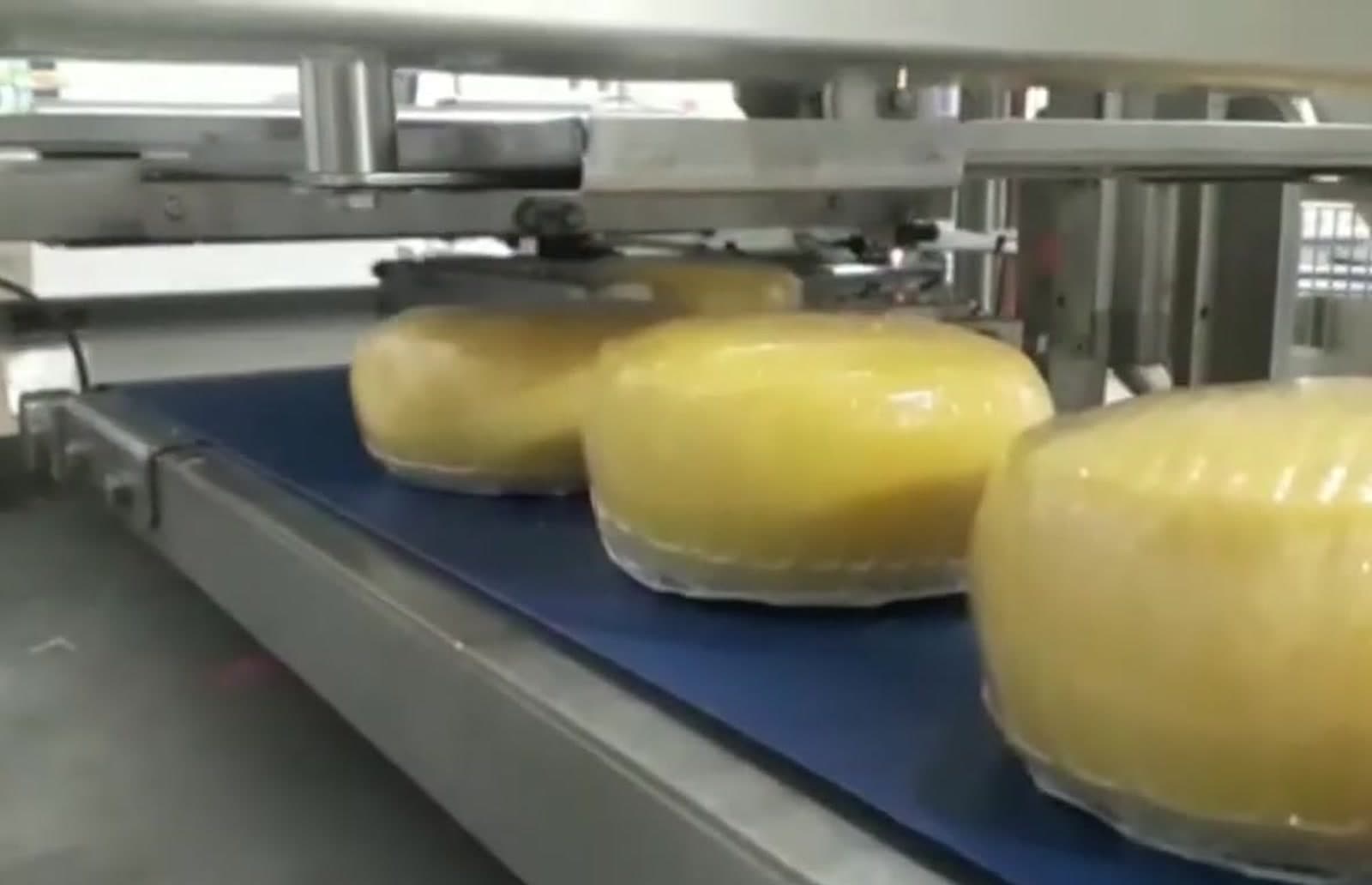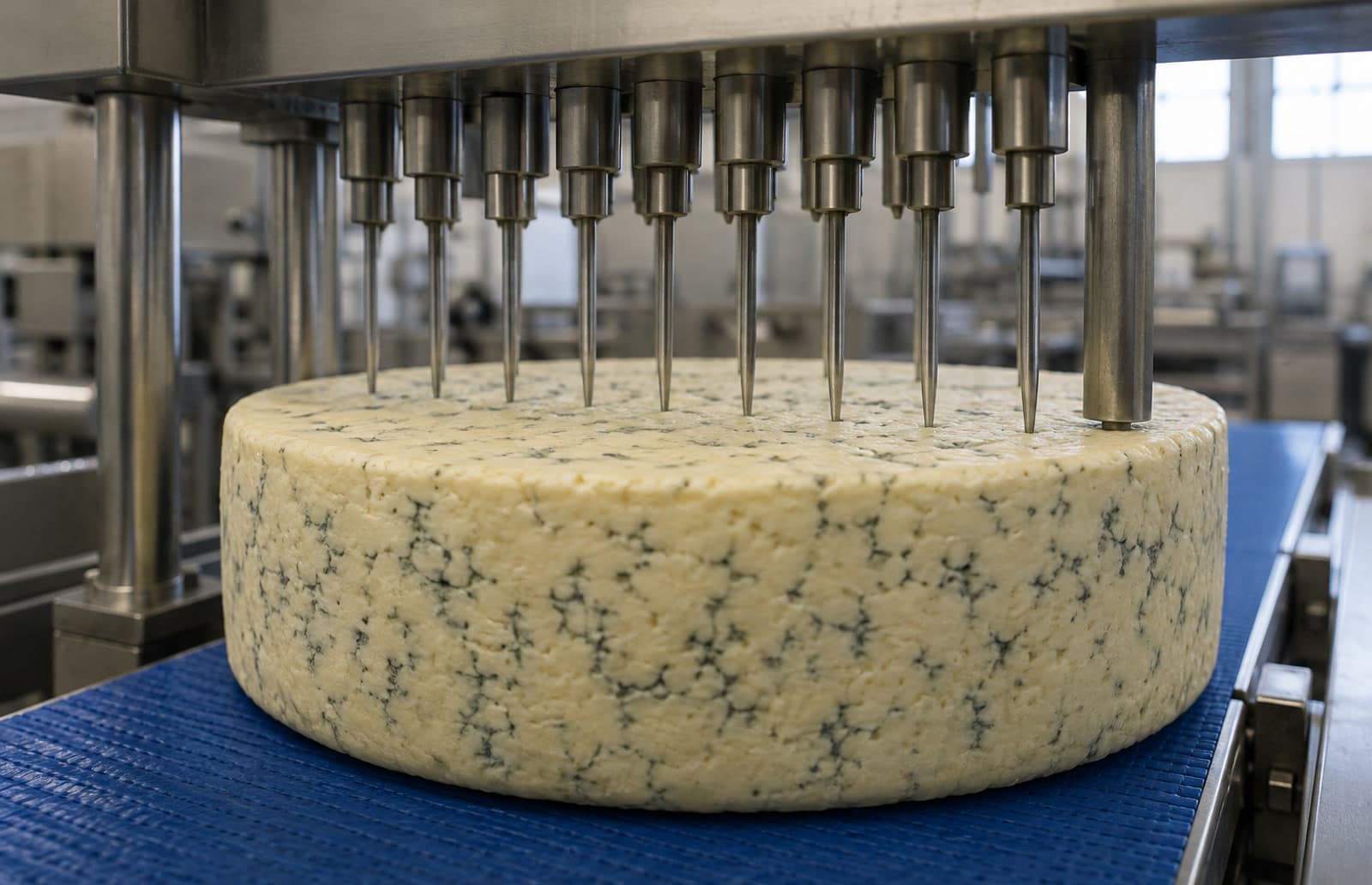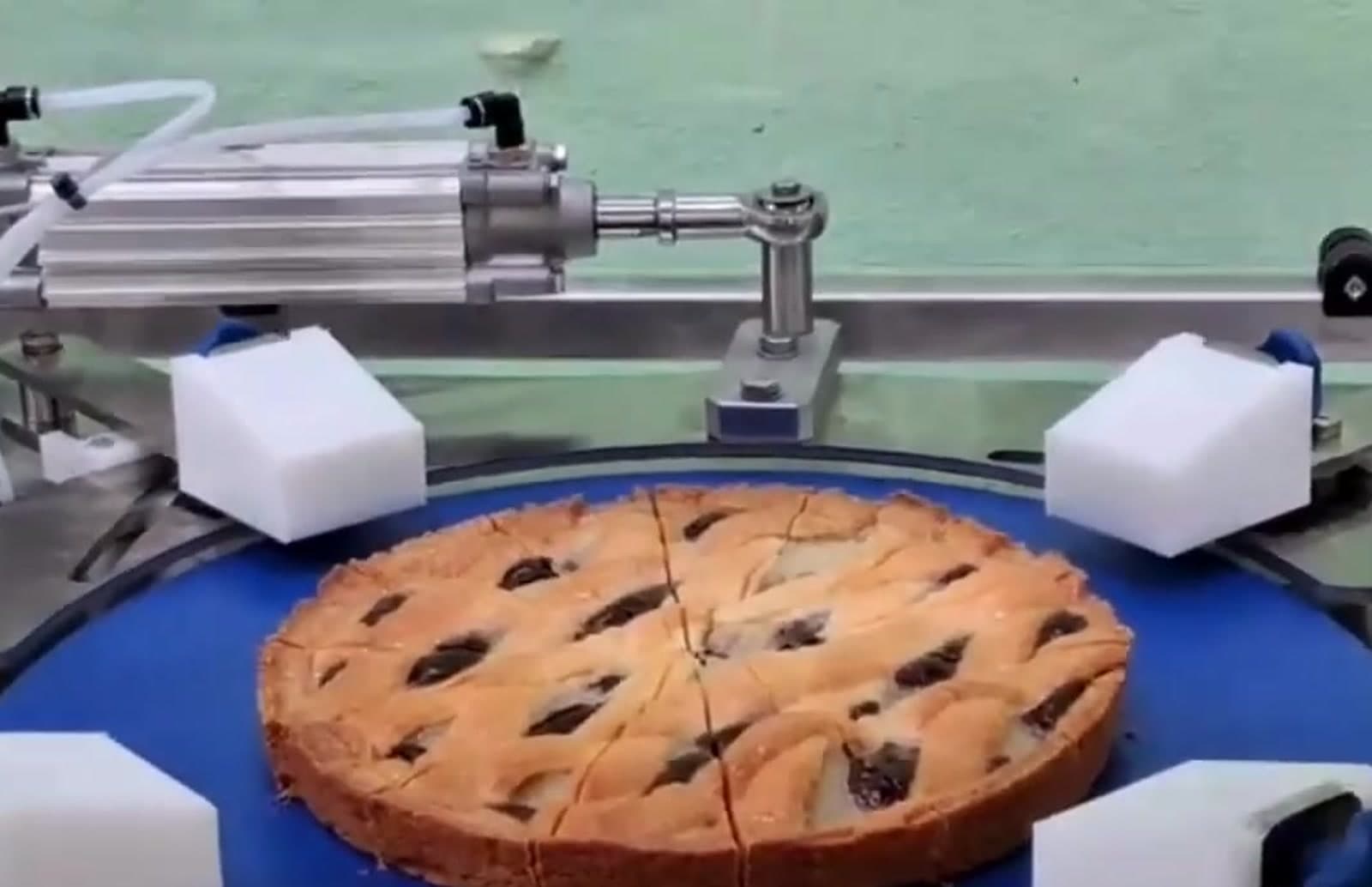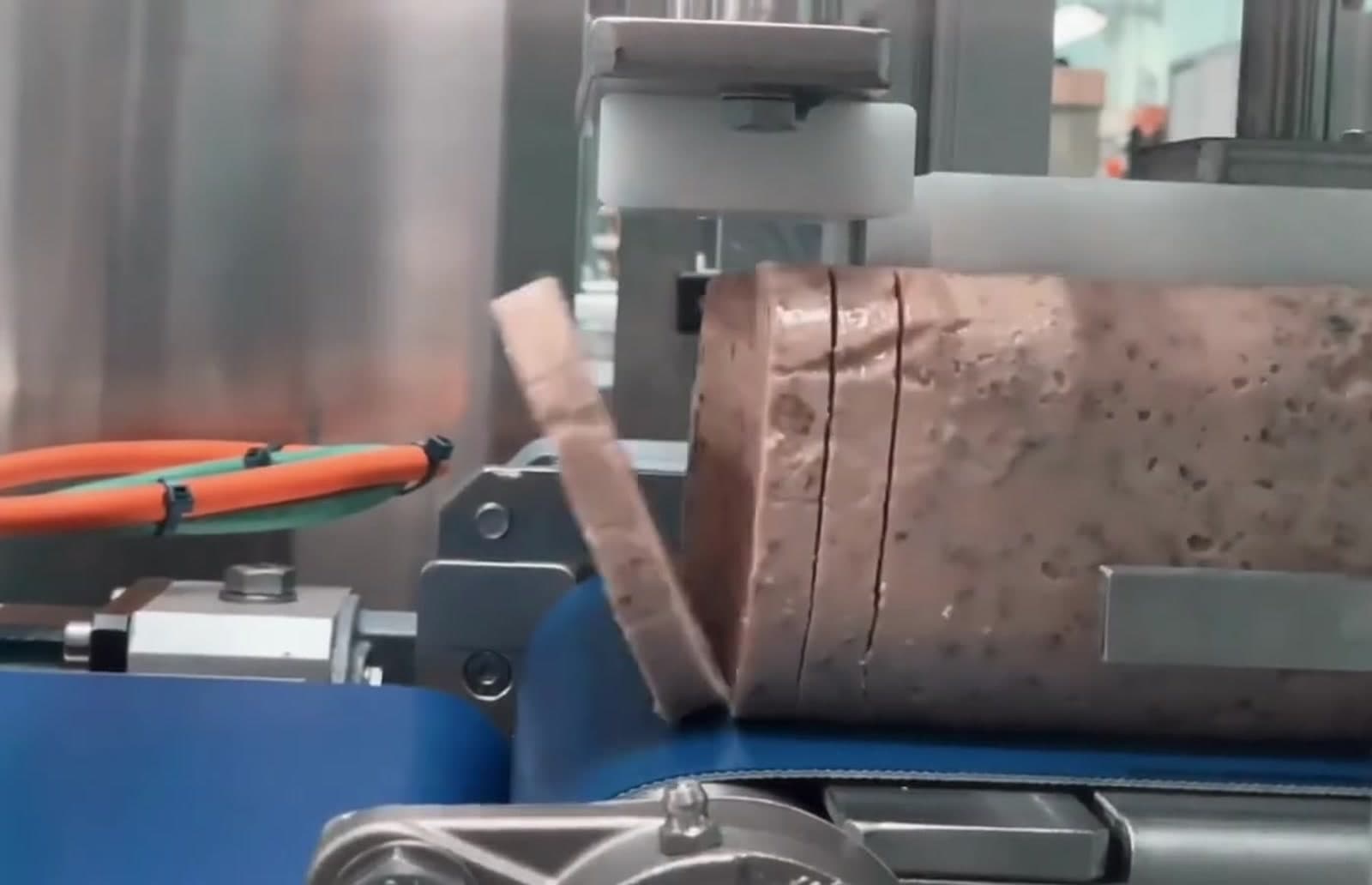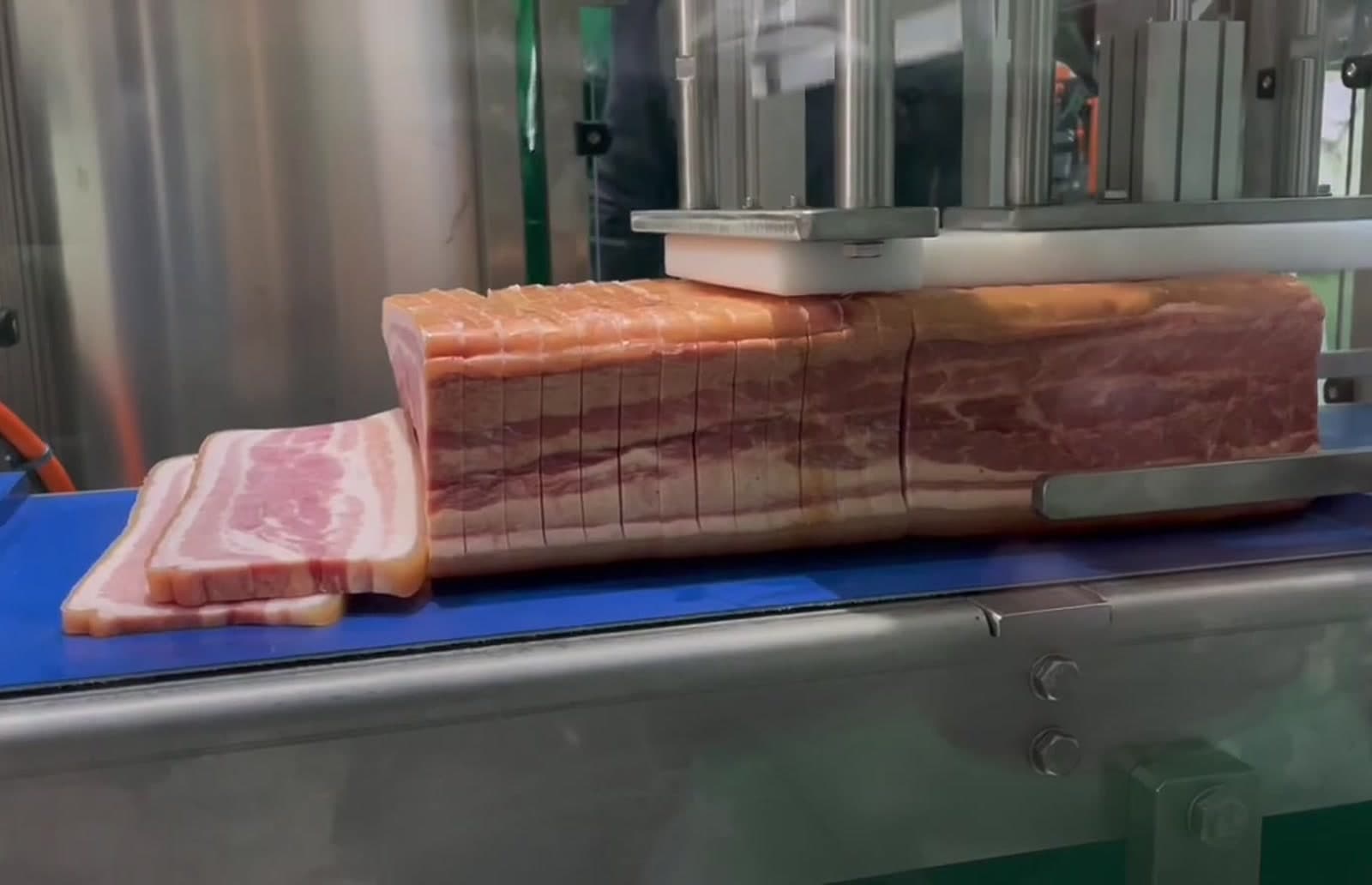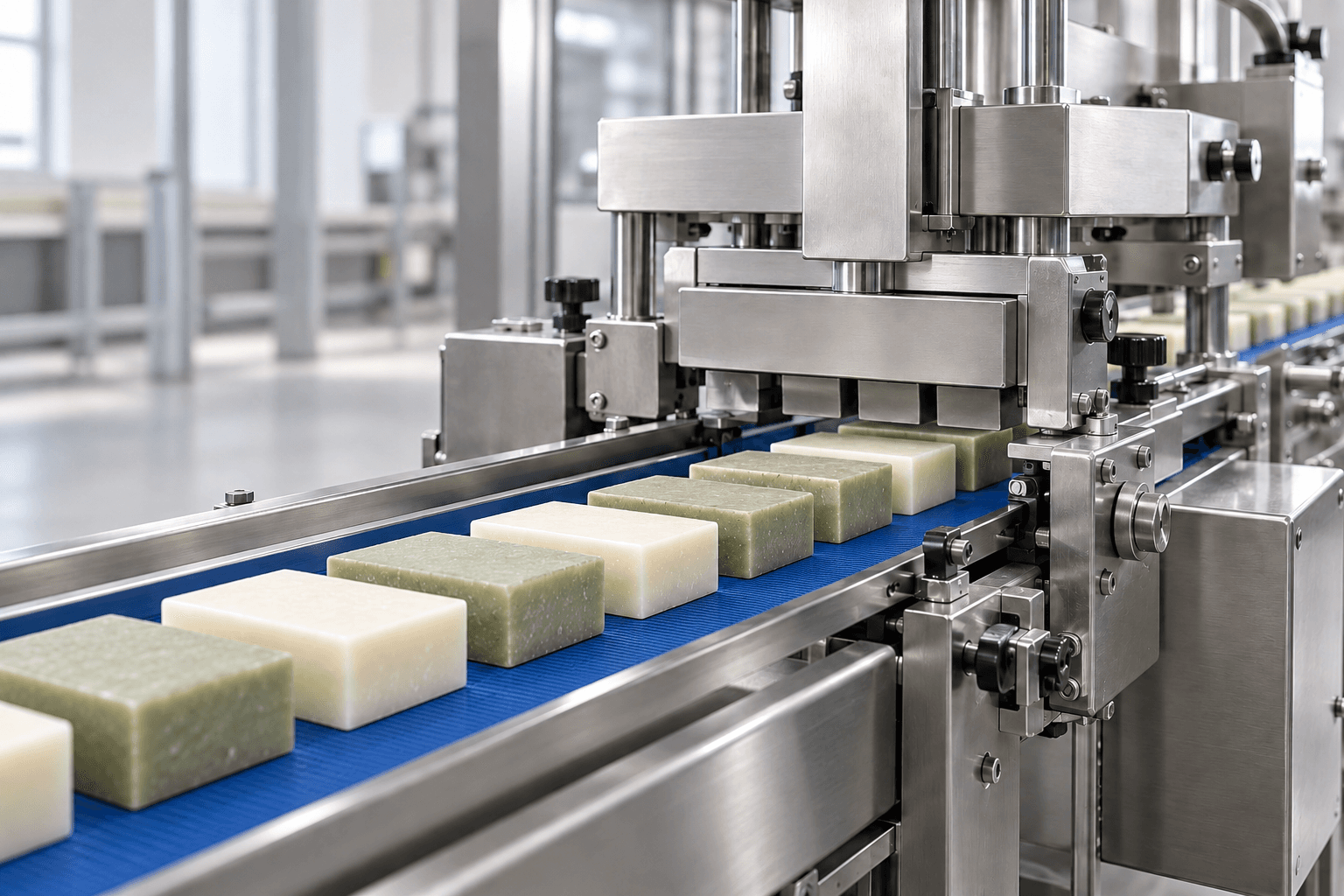
Customisation
We enjoy complex challenges and listen closely to each customer’s specific production needs.
50 years of innovation in the food industry
Italian technology, precision on a global scale.
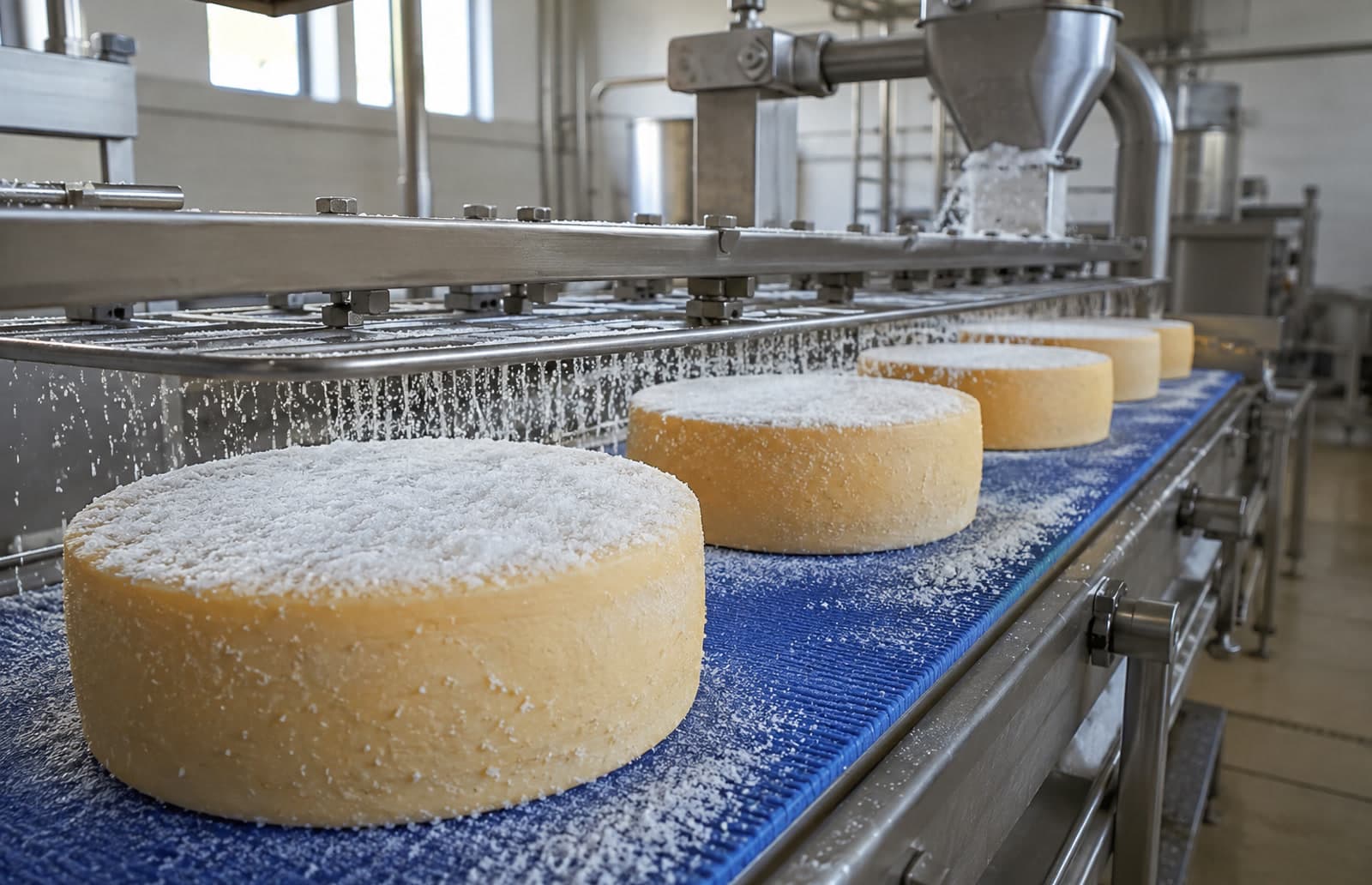
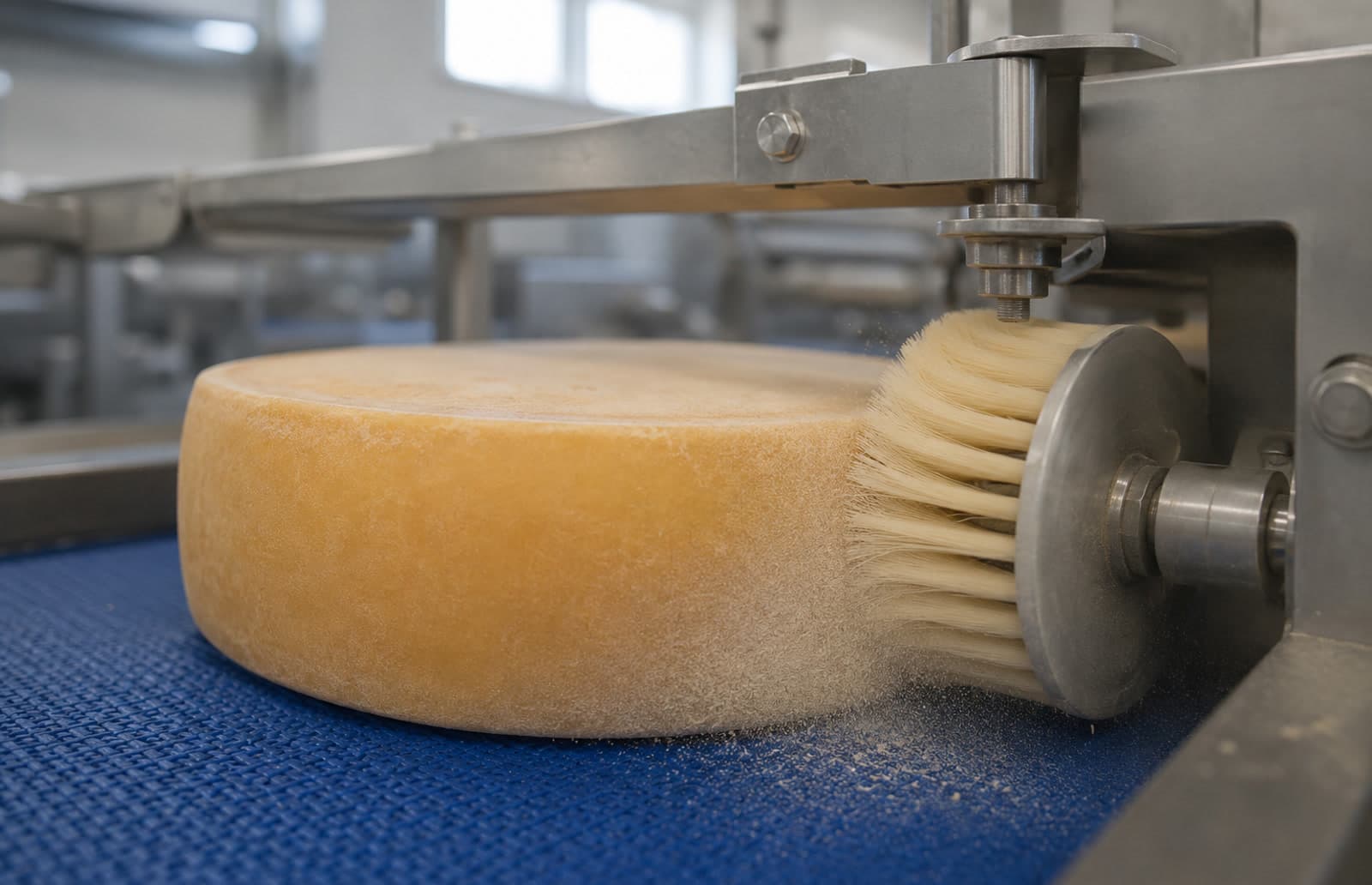
We design and manufacture machinery for cutting, portioning, brushing, salting and packaging cheese and many other foods or products.
Why choose us
We enjoy complex challenges and listen closely to each customer’s specific production needs.
Italy is our starting point, the world is our destination. We are Italian, with an international mindset.
We manufacture around 100 machines a year in house, with close attention to quality in every detail.
Our skilled, responsive team helps customers move from requirement to result, step by step.
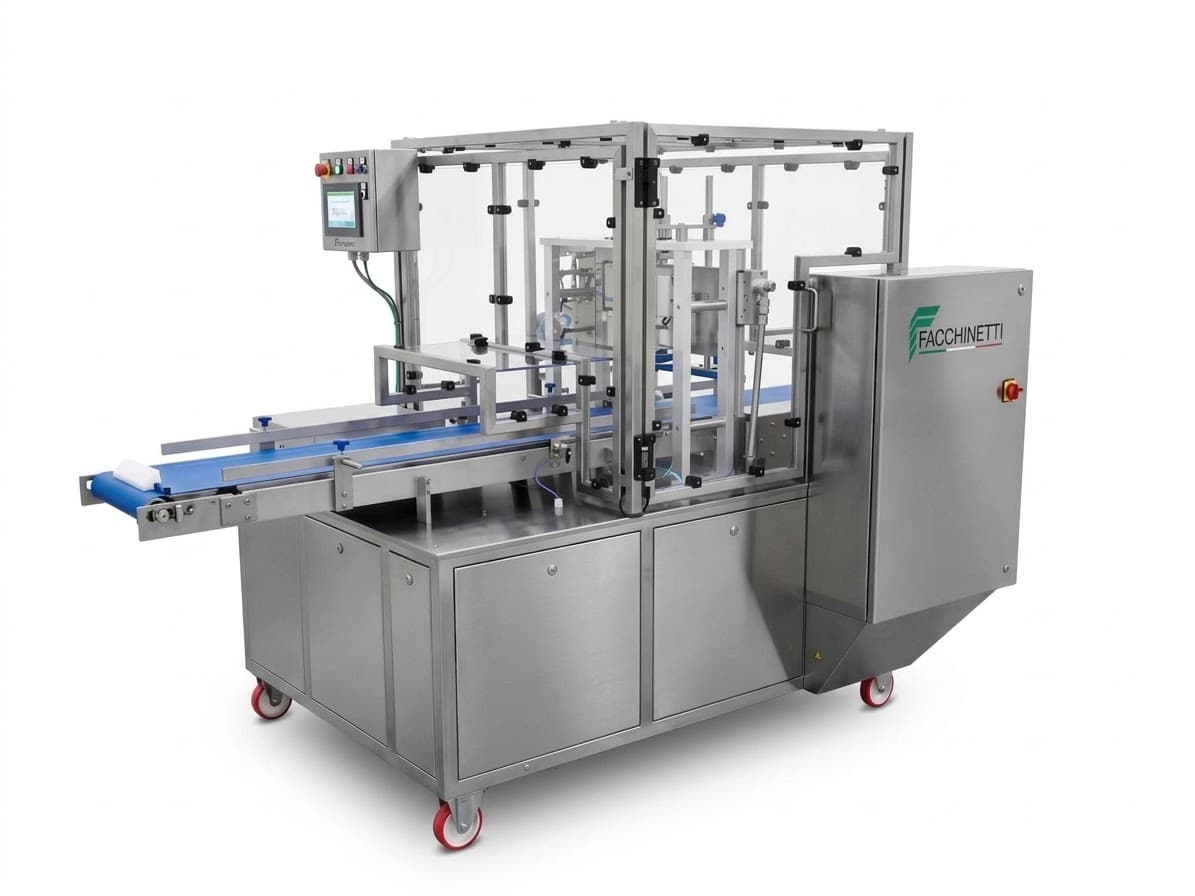
Italian Food Processing Technology since 1975
Since 1975, Facchinetti Tech has designed and manufactured food processing machines, with a particular focus on cheese, combining Italian dairy tradition with advanced industrial technology.
Every machine is developed to meet our customers’ specific needs, with customised solutions and an engineering approach.
About us ↗Discover our machines
Our catalogue
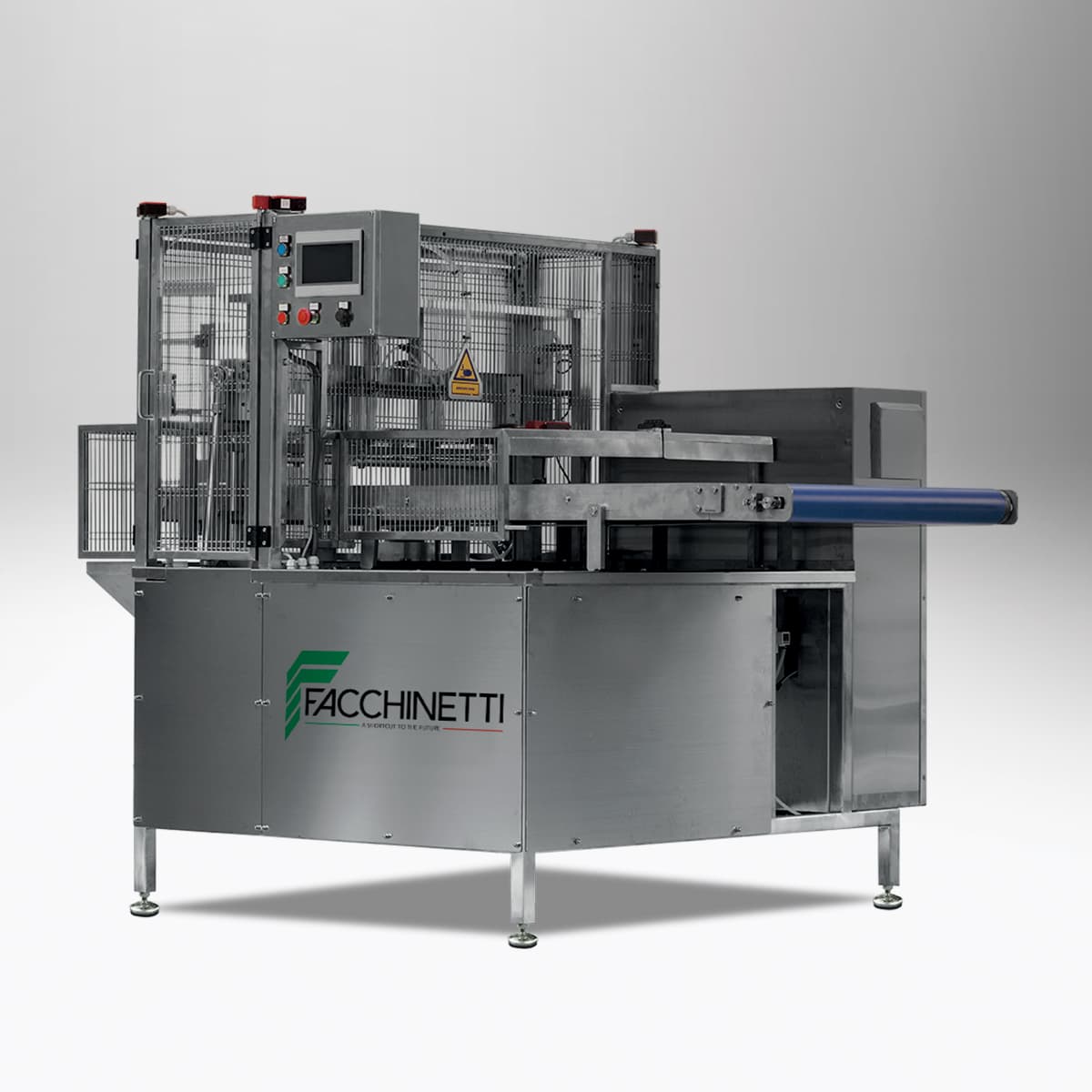 CB02
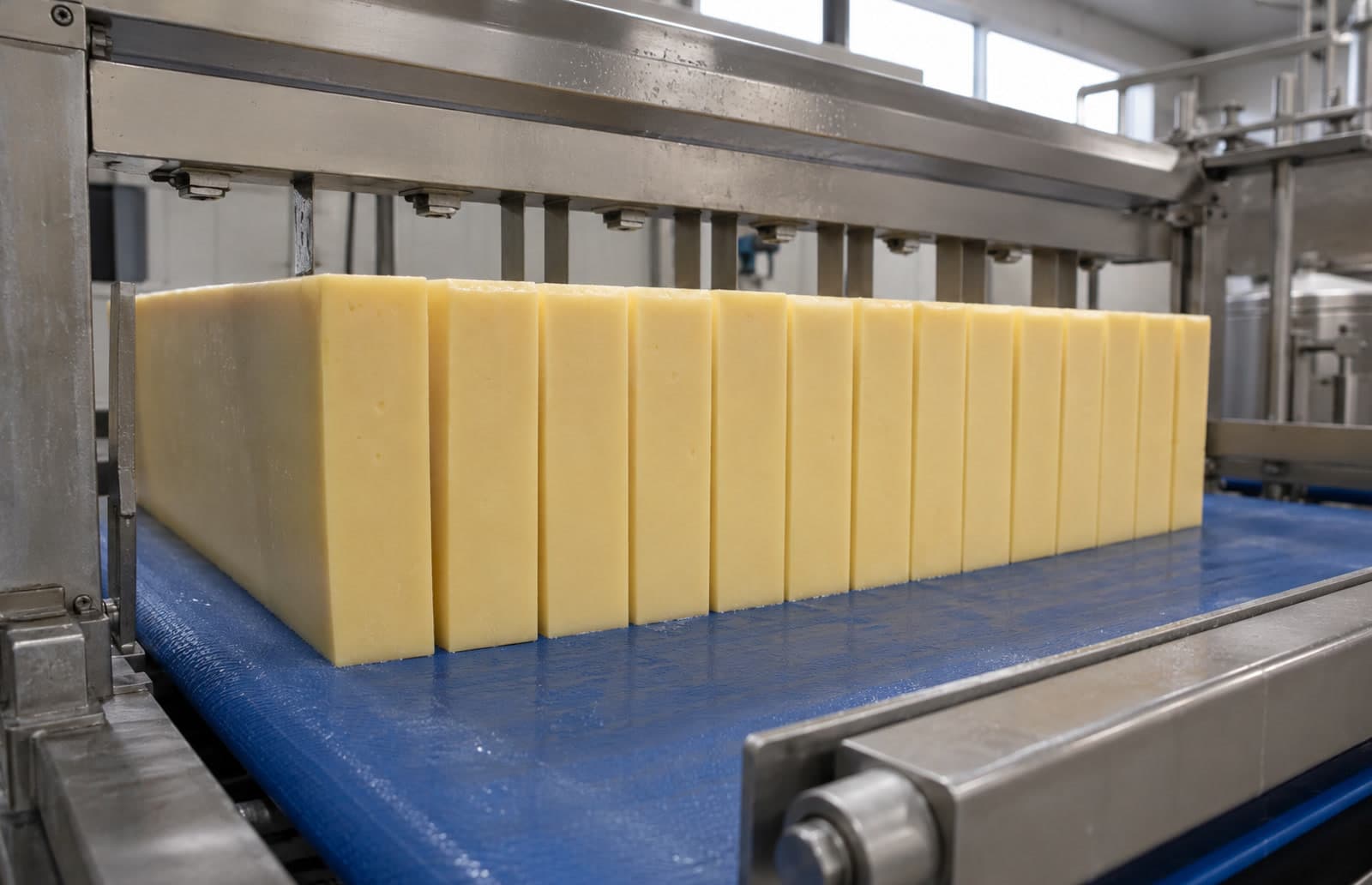
Cheese block cutting
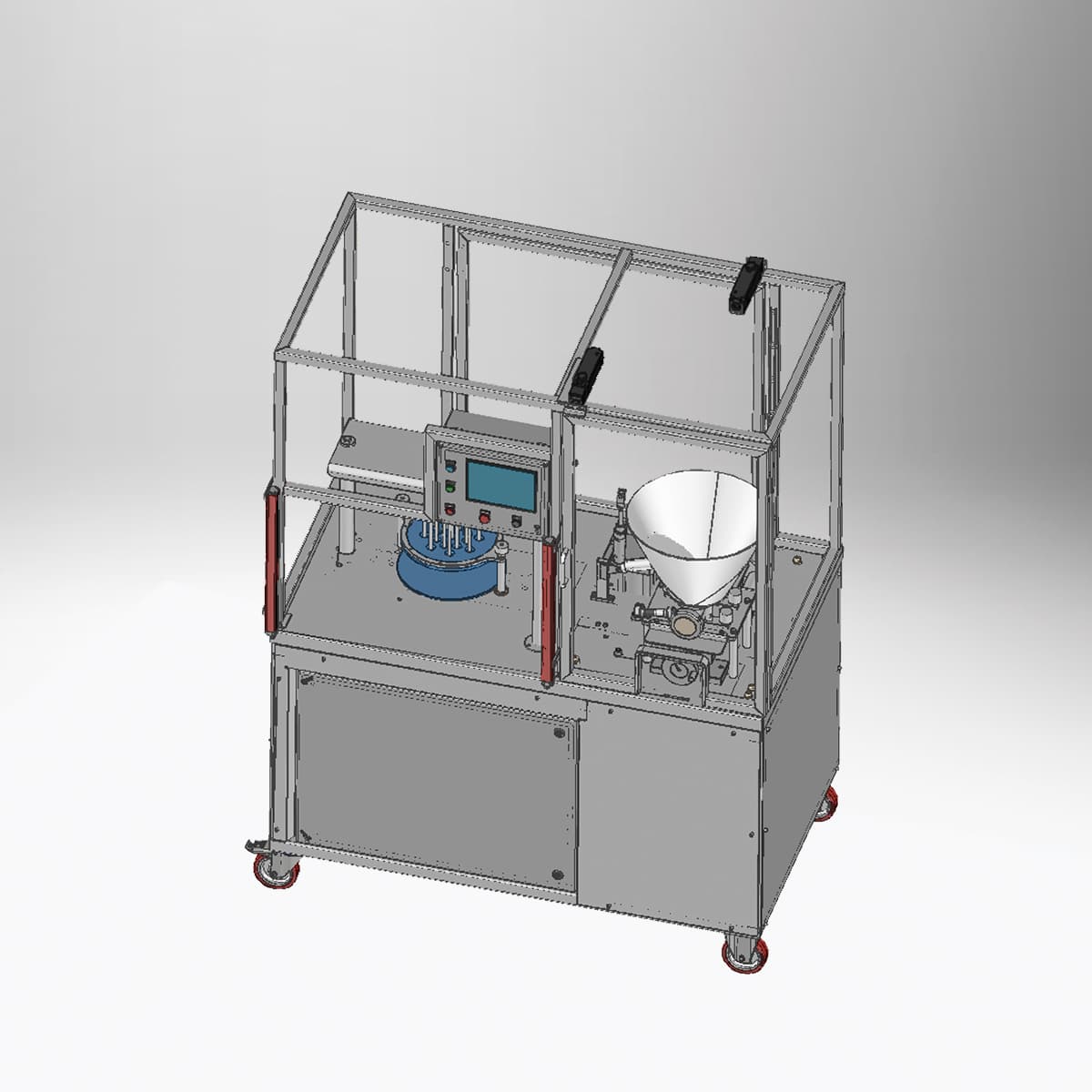 DC01
Special machines
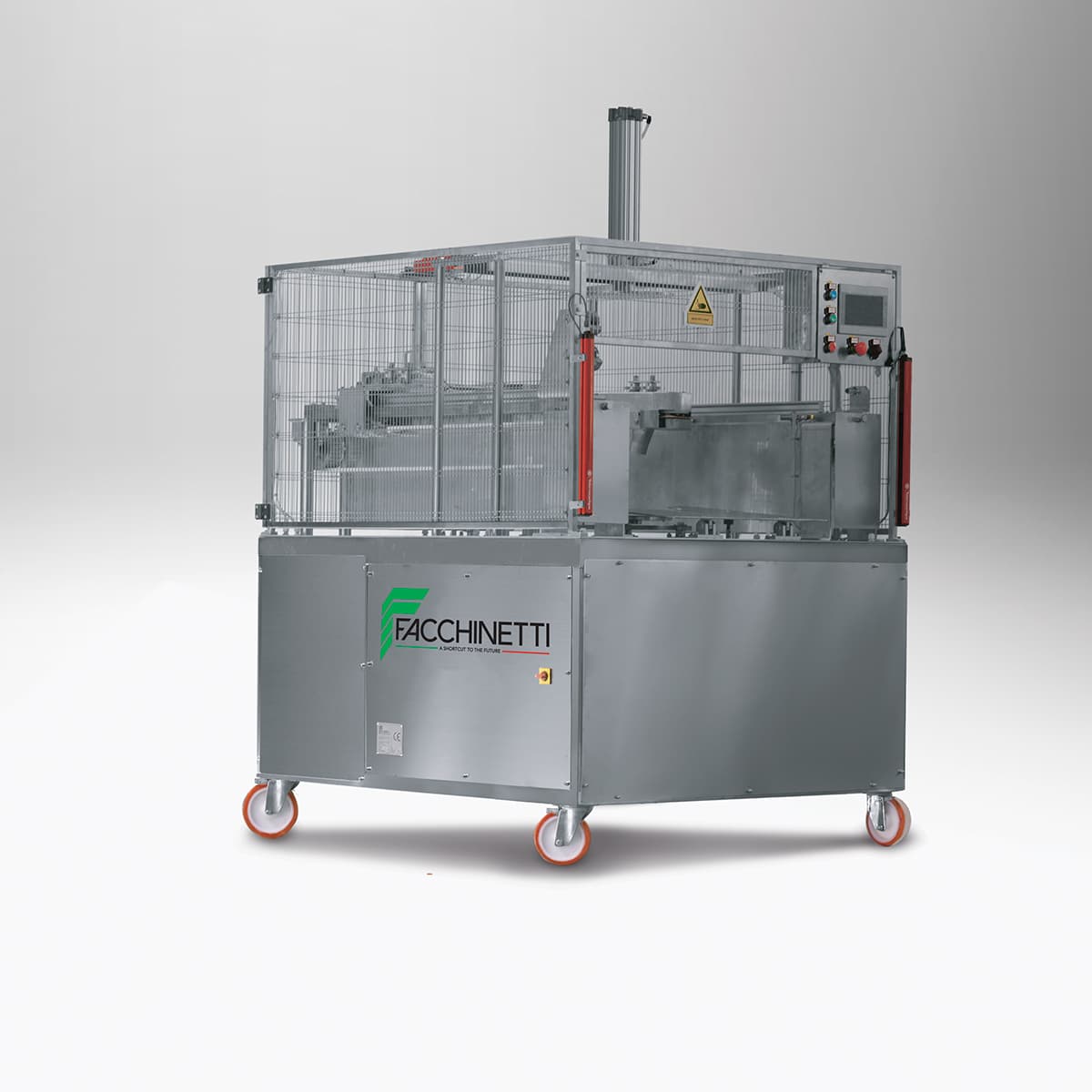 DSG02
Round cheese cutting
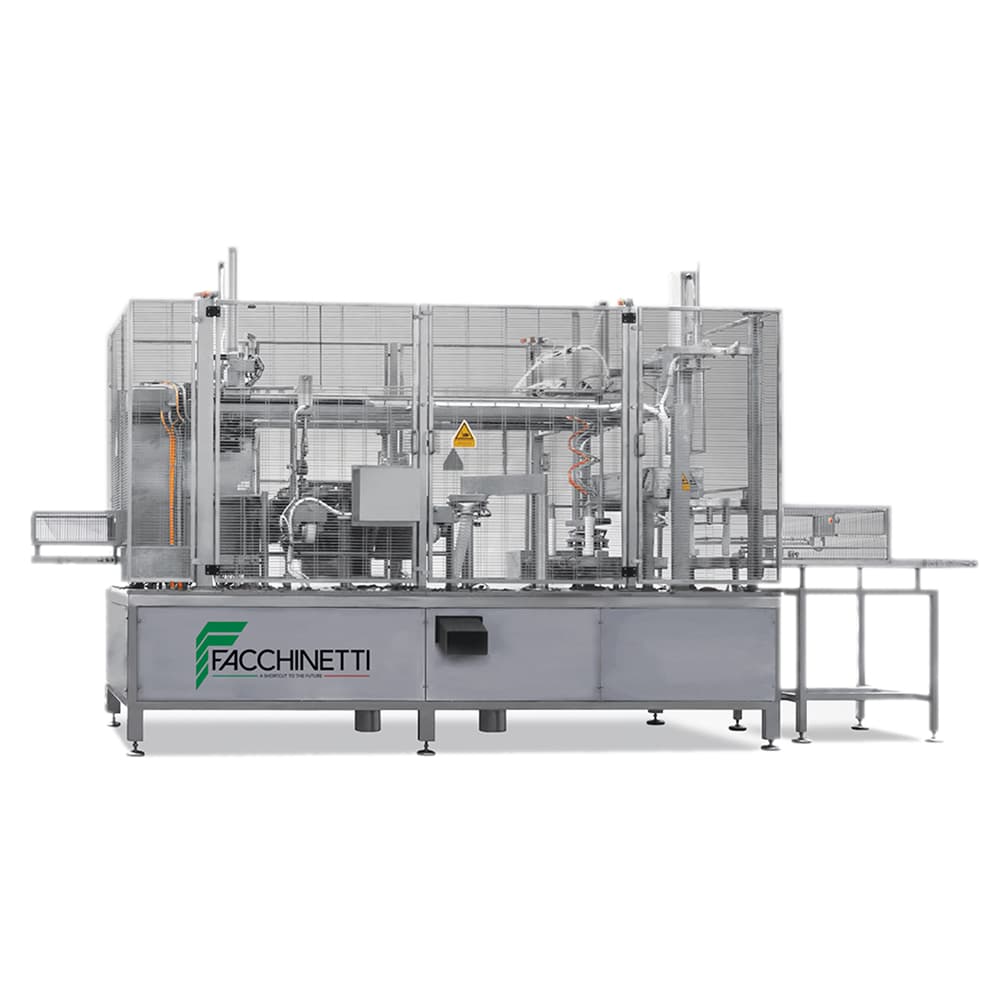 DSG03
Round cheese cutting
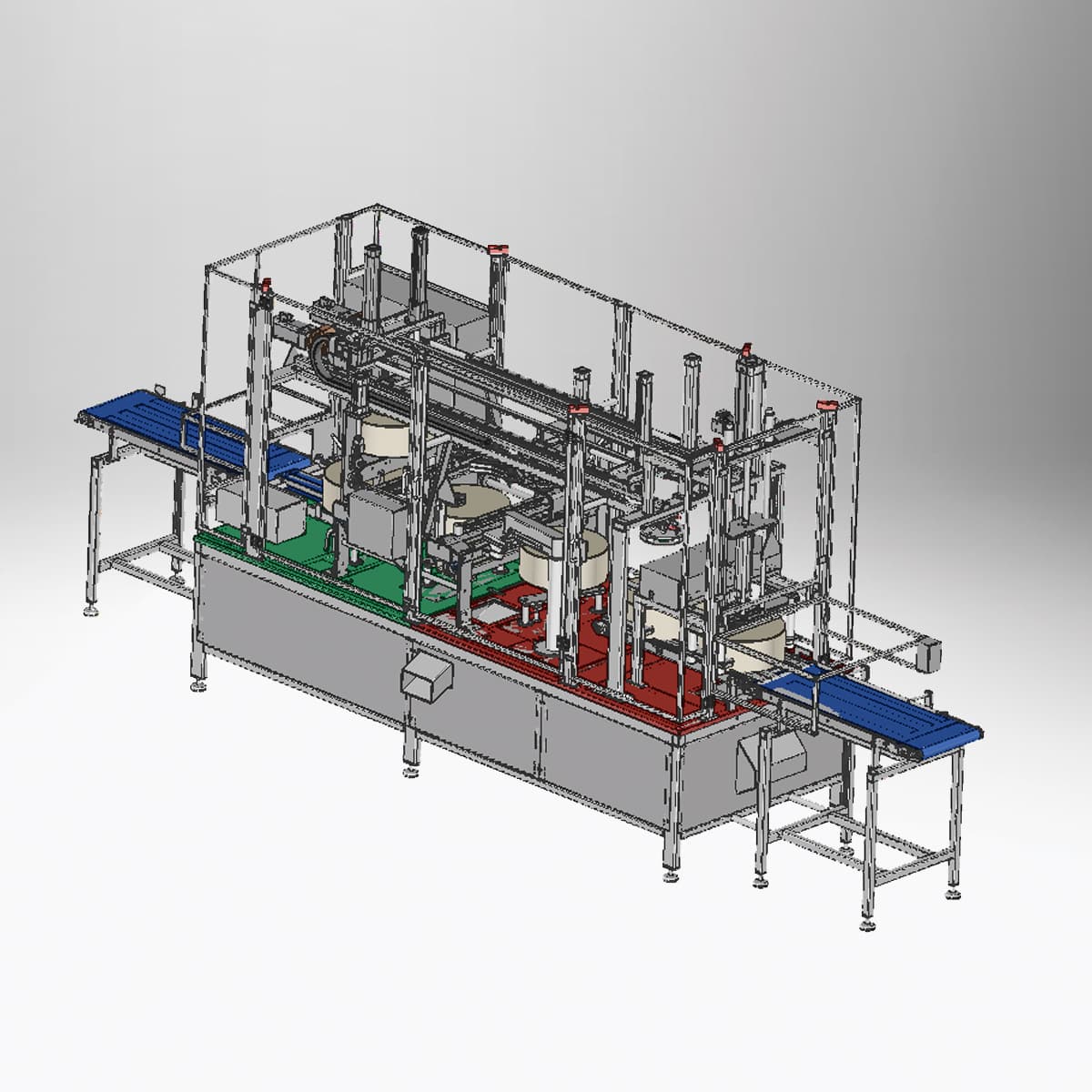 DSG04
Round cheese cutting
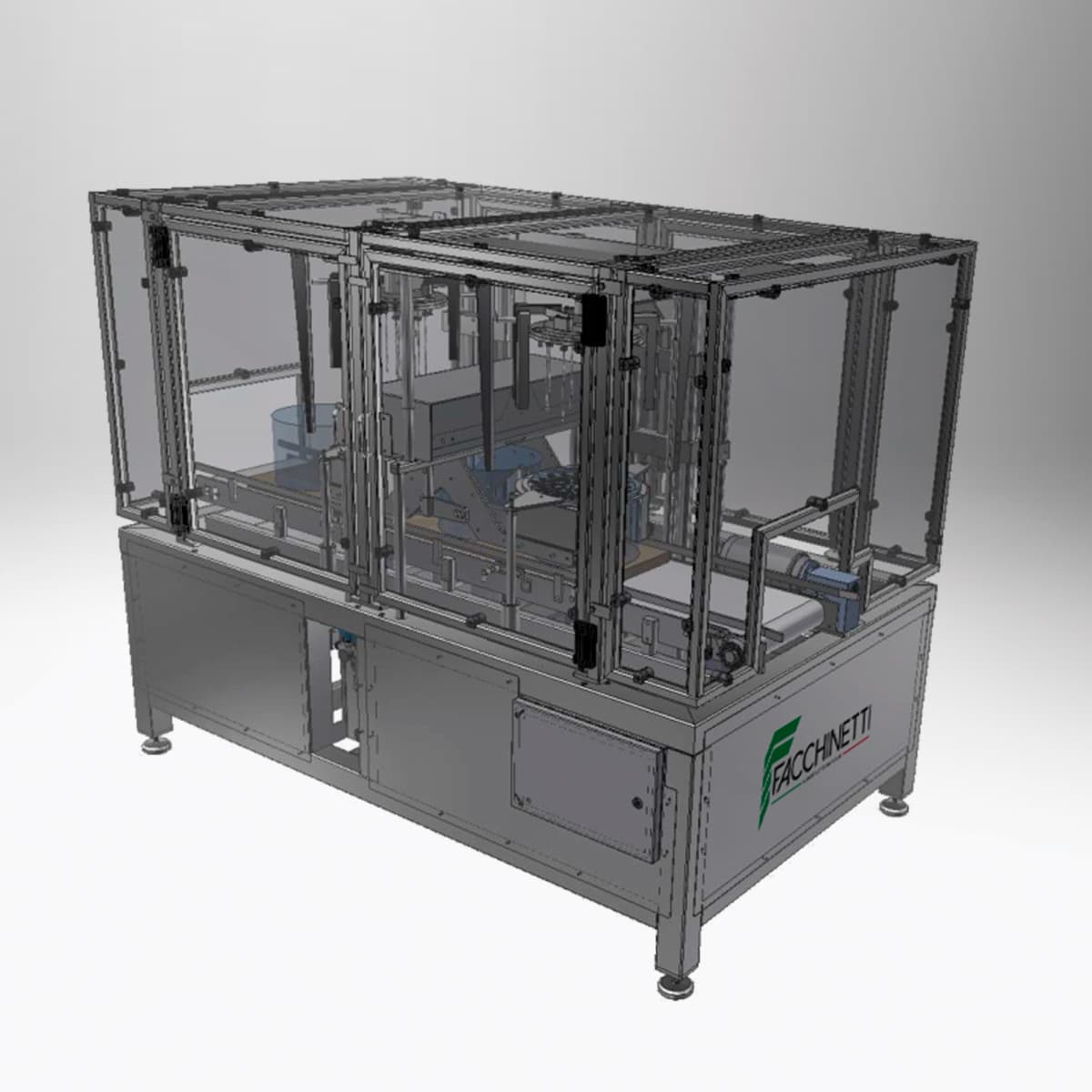 FZ04
Special machines
More than cheese machines
Discover how Facchinetti Tech is innovating in other sectors too, with machines for cakes, chocolate, food products and solid cosmetics.
Discover our machines ↗Request information
Fill in the form and our team will get back to you shortly for a personalised consultation.
Essential answers about machines, automation, precision, hygiene, support and food processing technologies.
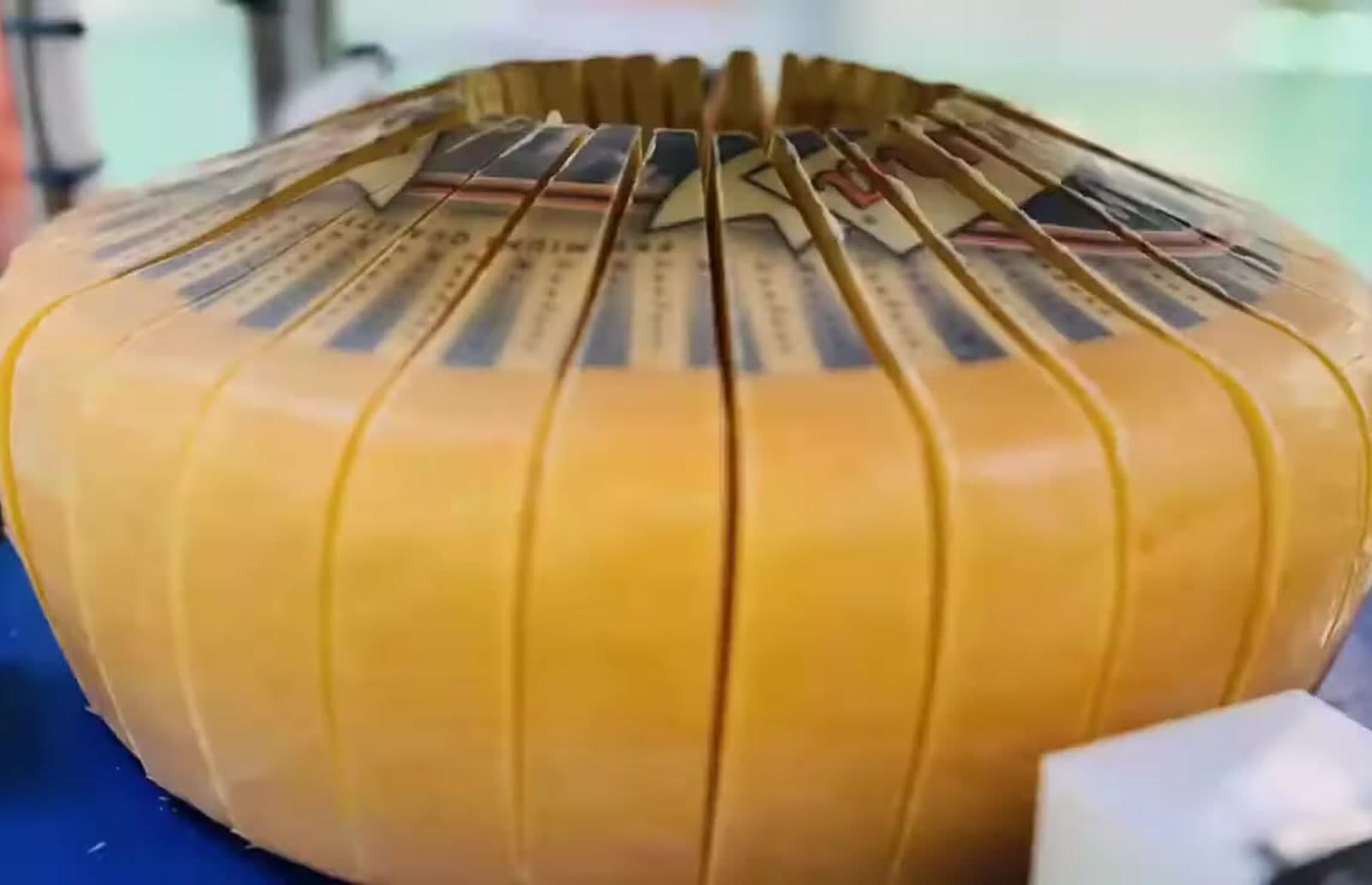
Talk to an expert ↗Hard cheese wheels are typically scored on the rind, slabbed into discs with a cutting wire, then cored and cut into wedges, cubes, or snack-size pieces. Some producers split the wheel into halves first. Most large-scale producers remove the top and bottom plates, and many also de-rind the product before cutting. Discs are normally 20-30 mm high, finished wedges typically weigh 150-400 g, and cubes or parallelepiped pieces are usually 20-30 g.
High-productivity automated lines can process and portion up to 1,200 kg/h, overseen by one or two operators, fed directly from a pallet of wheels and outputting product ready for packaging. Performance should be judged not just on throughput but also on the percentage of product within weight tolerance and the give-away rate. Fixed-weight wedge portioning of Parmigiano Reggiano can reach about 98% of product in tolerance with 2% give-away, depending on the input product and desired output.
Hard cheeses such as Parmigiano, Grana and Pecorino generally have a homogeneous texture, but consistently hitting a fixed target weight is technically demanding. Equipment must handle uneven wheel height or oval shape, deep and hard rind, product hardness and brittleness, holes in wheels or discs, and cheese dust that can be volatile or sticky.
Wire cutting produces a straight cut on hard, crystalline cheeses and is also used on soft, sticky products to reduce build-up. Blade cutting is generally faster and more precise for geometric shapes such as wedges, blocks, and slices, but can generate more waste if product sticks to the blade or when cutting hard or crumbly pastes. Ultrasonic cutting can solve many of these issues, at a materially higher cost justified especially at high production volumes.
Five factors matter most: material, treatment, thickness, bevel, and sharpening. Blades are made from stainless steel, typically AISI316, AISI420 or AISI440; they can be tempered and coated with Teflon, DLC or TiN for sticky products or aggressive environments. Thickness depends on product hardness, height and target format, from about 1.5 mm for small soft products to 3 mm or more for large hard products. A single bevel reduces friction, while a double bevel improves precision. Sharpening balances blade life and cut quality.
On a traditional guillotine cutter, adjust cutting speed and product temperature first, then consider scrapers, blades with variable thickness or holes, and coatings such as Teflon, DLC or TiN. On ultrasonic equipment, adjust wave amplitude or booster amplification, together with cutting speed, product temperature, blade temperature and humidity. If sticking persists, a different frequency, larger generator, or different blade profile may be needed.
Automation typically progresses in stages. Semi-automatic lines require an operator to load the product and start the cycle, while weighing and cut-point calculation are automated, making them suitable for mid-volume operations or high product variety. Fully automatic lines handle loading, scanning, weighing, cutting and discharge to packaging with no manual intervention. Integrated lines synchronize cutting with upstream rind removal or brushing and downstream weighing, labeling and packaging.
The key criteria are product type and shape, required productivity, cutting precision and waste reduction, safety and hygiene, and supplier support. Buyers should assess whether they process round wheels or blocks, hard or soft cheeses, standard or variable formats; define kg/hour or portions/minute; consider 3D scanning and ultrasonic cutting; verify AISI 304/316 stainless steel, drainable finishes and CE certification; and check service responsiveness, spare parts, training and HMI updates.